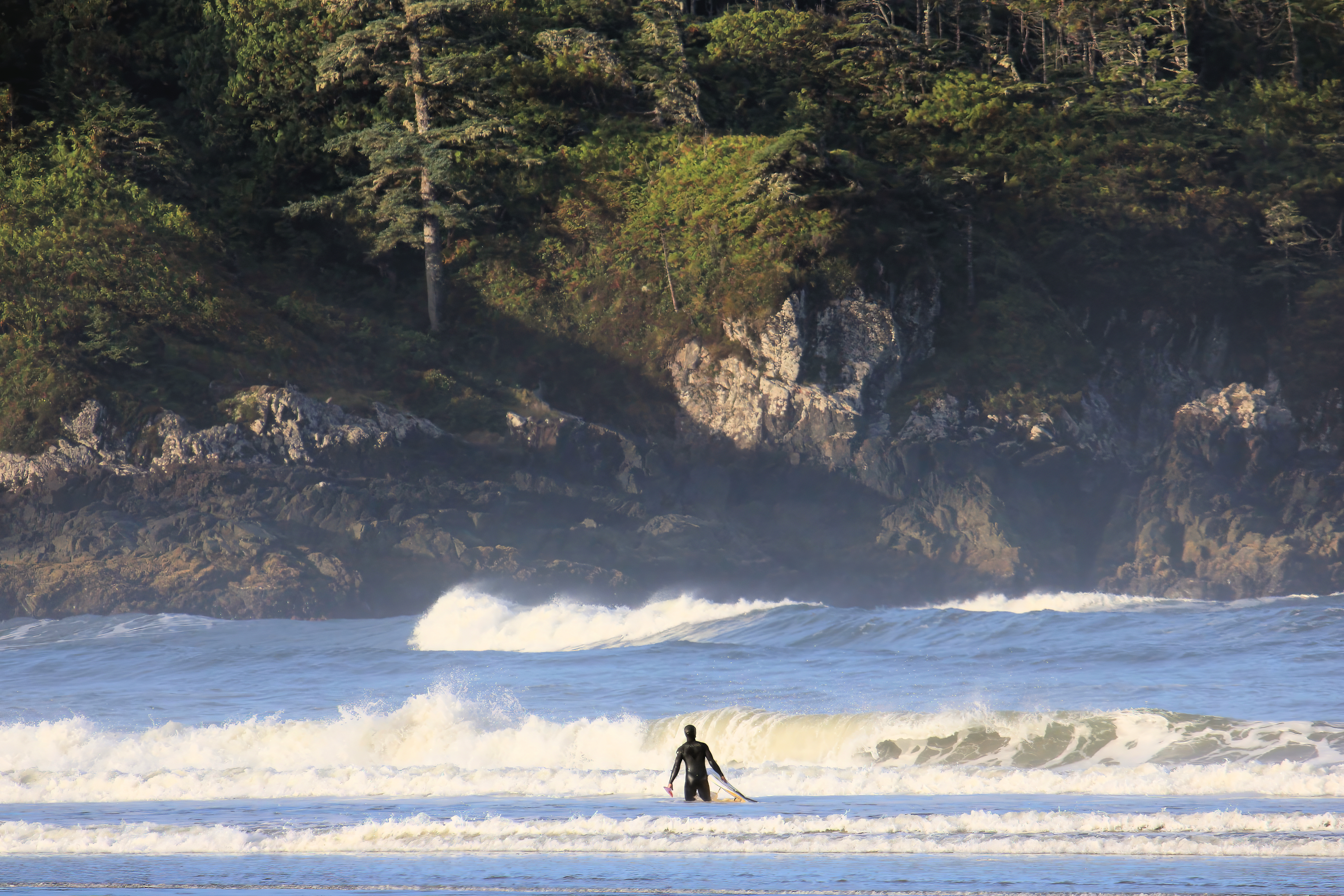
Operation Summit
Compass

Operation Summit Protocol

Location Patagonia, South America
Duration 72 Hours

Context

A specialized corporate executive team required a high-stress, decision-making environment outside their standard comfort zone to test leadership dynamics under physical duress.

Challenge

Unpredictable wind shears reaching 60 knots and rapid temperature drops. The team possessed minimal prior alpine experience, necessitating aggressive on-site upskilling.

Approach

Implemented our proprietary step-wise acclimatization algorithm. We utilized redundant anchoring systems and maintained constant satellite telemetry. Leadership responsibilities were rotated every 4 hours regardless of fatigue levels.

Outcome

100% successful traverse with zero injuries. Post-operation metrics indicated a 40% improvement in executive crisis-response times in subsequent corporate evaluations.
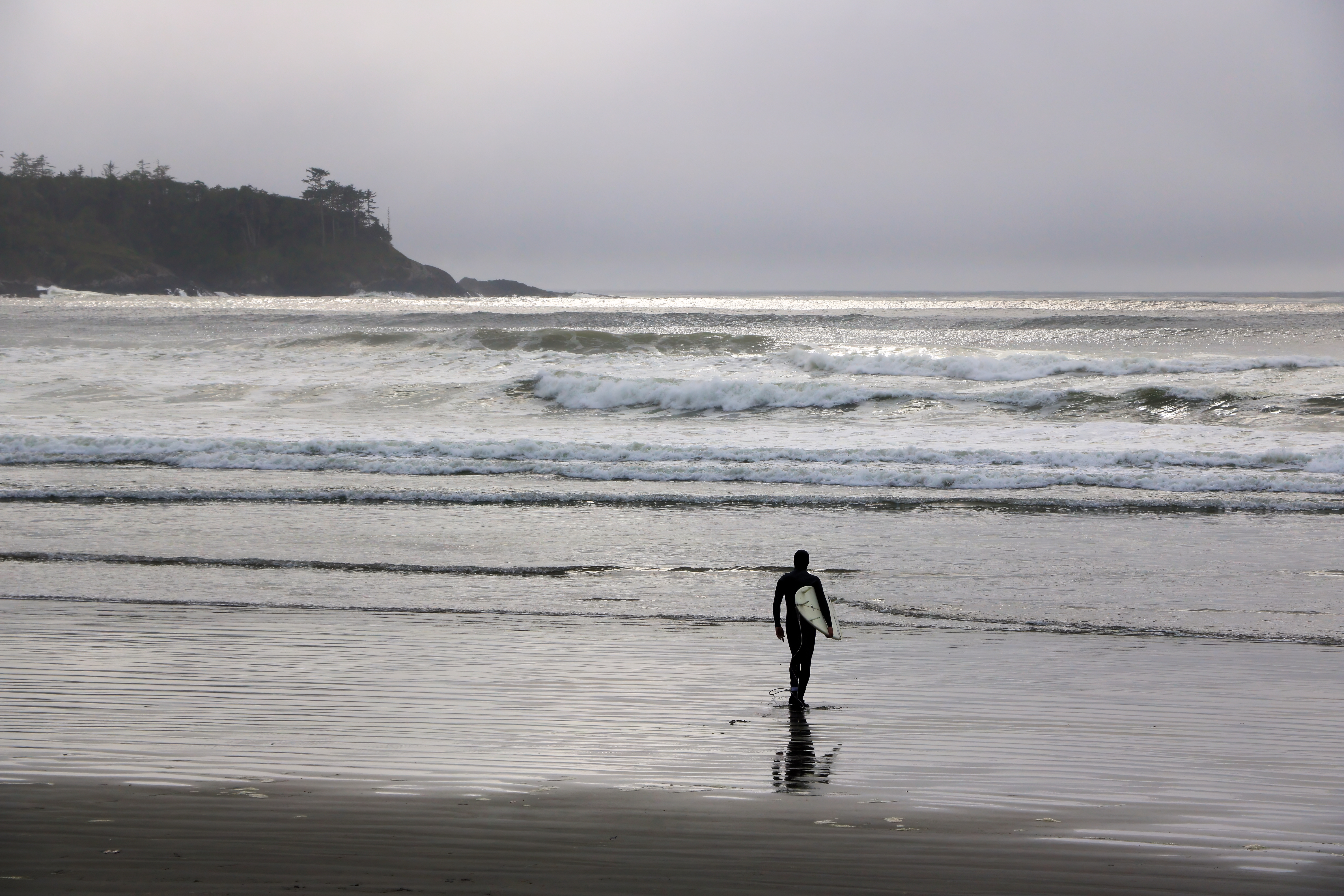
Deep Current Intercept

Location Baja California Sur
Duration 120 Hours

Context

An elite athletic group sought to push their cardiovascular thresholds through oceanic endurance, specifically targeting breath-hold capacity and cold-water shock resistance.

Challenge

Operating in open ocean swells exceeding 4 meters while coordinating multiple watercraft. The primary risk factor was hypothermic degradation during extended sub-surface operations.

Approach

Deployed specialized thermal compression gear. Instructors enforced rigorous breathing intervals and continuous heart-rate monitoring via waterproof biometric sensors. Emergency extraction divers were stationed at 10-meter intervals.

Outcome

Average breath-hold duration increased by 45 seconds across the cohort. The team successfully executed synchronized deep-water navigation sequences previously deemed too risky for non-professionals.

Deep Current Intercept
Wave
Desert Velocity
Wind

Velocity Perimeter

Location Mojave Desert
Duration 48 Hours

Context

Testing human operational capacity during prolonged high-speed overland navigation. The client required validation of an experimental hydration protocol under extreme heat.

Challenge

Ambient temperatures peaking at 45 Celsius. The route consisted of unstable dune fields and jagged rock outcroppings, increasing the probability of mechanical failure and heat stroke.

Approach

Integrated real-time thermal tracking and automated fluid dispensing systems into the vehicle chassis. Route mapping utilized drone-based LiDAR scanning executed 12 hours prior to the run.

Outcome

The course was completed 3 hours ahead of the baseline projection. The hydration protocol was validated, resulting in zero instances of heat exhaustion among the operators.